

Close-medium shot, natural window light from the left: two students leaning over a handwritten business plan spread on a wooden table, one pointing at a line item, pencil in hand, notebooks and a small ledger visible at frame edge, depth of field soft on the background wall
— Business Track

Students run a real enterprise. Not a role-play.

Every student in this track launches, operates, and closes a small enterprise over the course of the program. Real decisions, real financial consequences, real accountability to a cohort.


Wide environmental shot, golden afternoon light through tall windows: a small cohort of students seated around a rectangular table covered in whiteboards and printed financial worksheets, mid-discussion, one student gesturing toward a handwritten market analysis on the board behind them
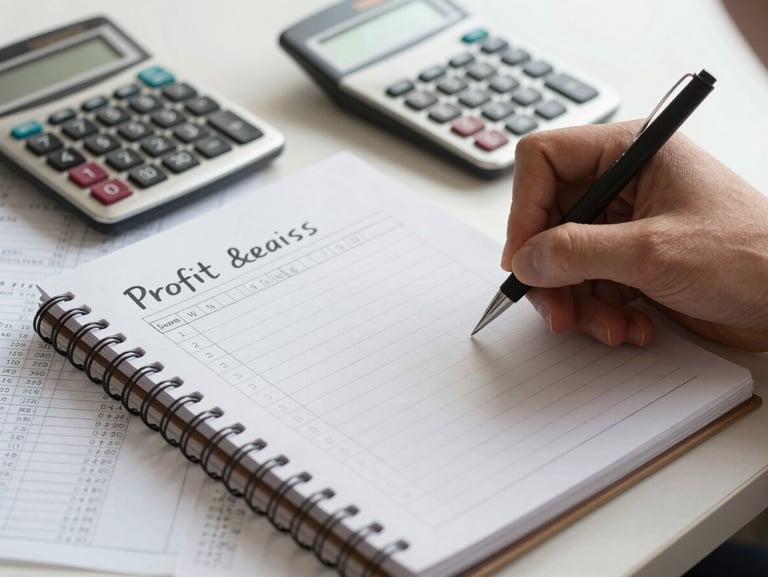
Close detail shot, natural side light: student hands writing in a coil-bound notebook open to a hand-drawn profit and loss table, a calculator resting nearby, the edge of a printed balance sheet visible beneath
/ The Framework

Commerce under agreed rules

Free people building things together

Business fundamentals here begin with a question: what rules must free people agree on before they can build together? Students draft operating agreements, set pricing structures, and allocate roles — then live with those choices.

Week one establishes the constitutional frame. Weeks two through four are operations. The final week is the reckoning: did the enterprise perform? Why or why not?

Decisions with weight behind them

Students set prices, manage a budget, handle a supply constraint, and present to a panel. No instructor rescues a bad call. The cohort reviews what happened and adjusts — the same way a board does.

Artifacts they can show, not certificates they received

▸ What Students Produce

Business Plan

Profit & Loss Statement

Investor Pitch

A written plan covering market opportunity, cost structure, pricing rationale, and operating rules. Drafted in week one, revised after operations close.

A real P&L built from actual program-period transactions. Students account for every dollar in and out, reconcile the books, and defend the numbers.

A structured oral pitch to a panel, backed by the business plan and P&L. Students field questions on assumptions, risks, and next-stage capital needs.