
Civic agency is a skill. We teach it.
Students don't observe community problems — they analyze them, design a documented response, and deliver a public outcome. Leadership is defined by what you can read, decide, and build.
Three stages. One real outcome.
1 — Written Brief
Read the situation. Identify the rule. Act.
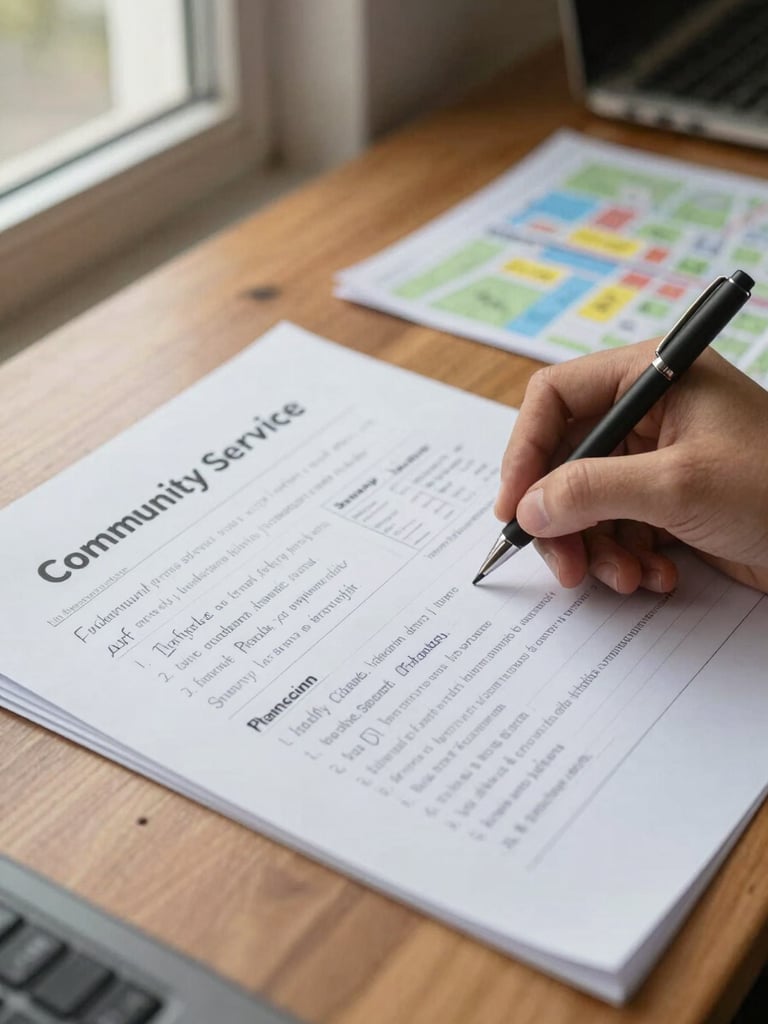
Students document the problem, its scope, and a proposed intervention. The brief is reviewed by peers and revised — not submitted once and forgotten.
2 — Public Presentation
Each cohort presents findings to a panel that includes community stakeholders. Argument, evidence, and accountability — not slides read to a classroom.
Civic agency isn't a personality trait — it's an analytical habit. Students learn to read a community situation the way you read a statute: who is affected, what governs it, what action is available.
3 — Documented Outcome
The project record — what was proposed, what happened, what changed — becomes part of the program archive and each student's portfolio.


Real problems. Documented work.
Neighborhood food-access brief
A junior cohort mapped food-desert boundaries in their district, identified the zoning rules that limited retail access, and drafted a brief for the local planning board. The document was submitted — not shelved.
Students presented findings to two community stakeholders. The outcome and the revision notes are part of the program archive.
Youth civic-code review project
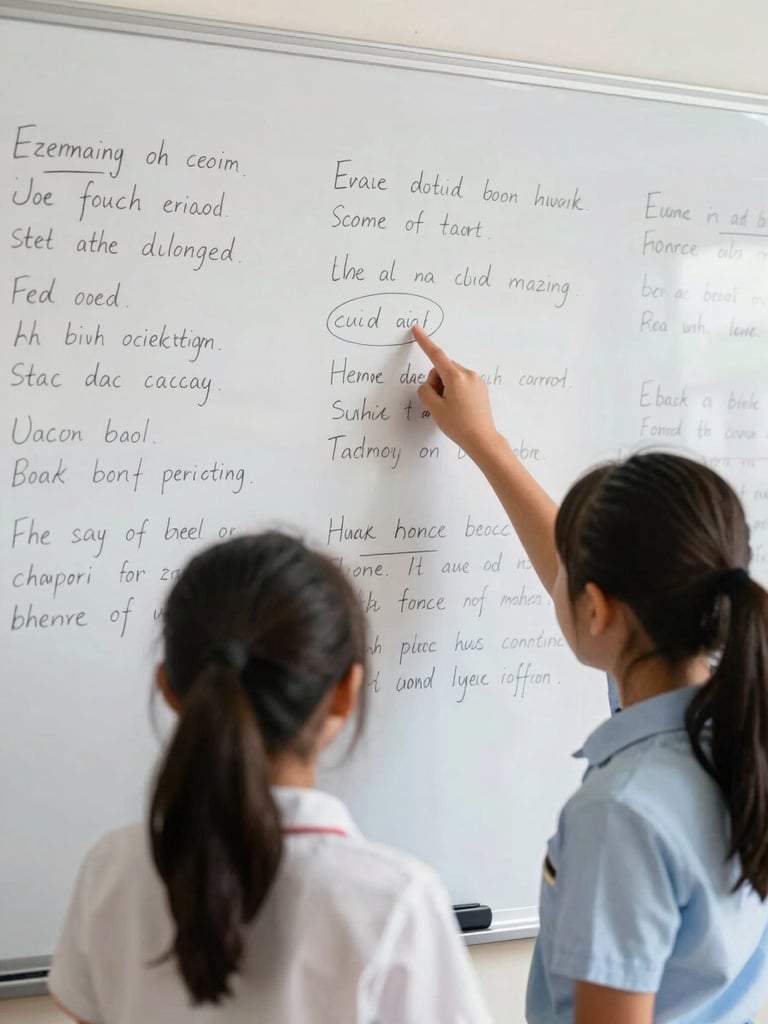
An elementary cohort reviewed their school district's student-conduct code, identified three clauses they found ambiguous, and drafted plain-language rewrites with constitutional citations as support.
The finished brief was reviewed by a district administrator. Students fielded questions and defended their reasoning — clause by clause.
Limited cohort. Serious work.
The leadership track accepts a small group each summer. Students leave with a documented project, a public presentation on record, and a concrete understanding of civic agency — not a certificate.